ARTICLES
2026.08.24
Why Information Alone Doesn’t Change Behavior: What Food Safety Can Teach Us About Behavior Change and Service Design
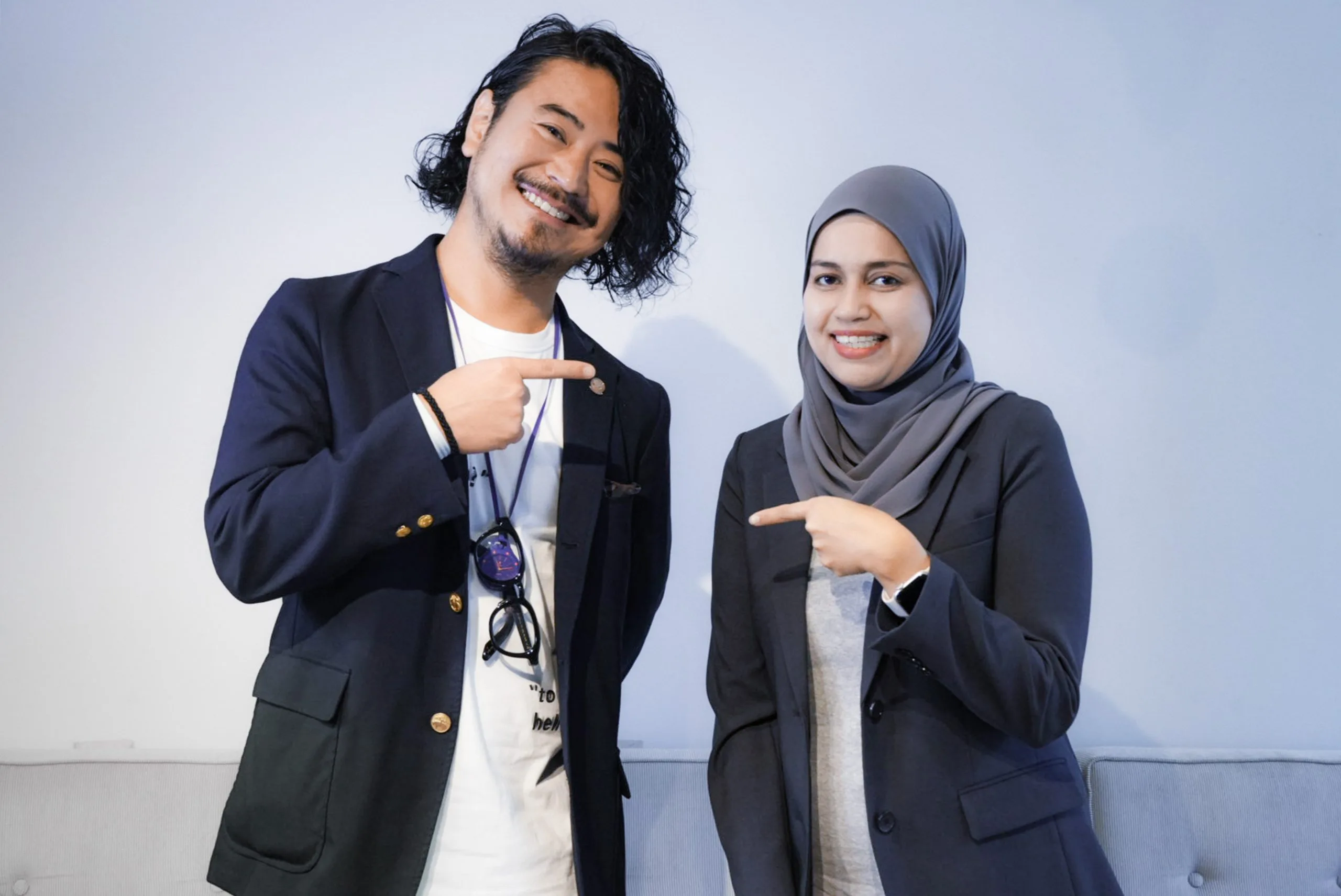
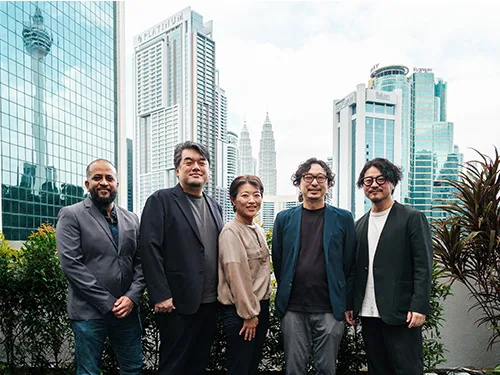
Malaysia is currently advancing the digital transformation of its food safety administration, exploring new approaches such as the use of AI and predictive analytics to enhance food safety monitoring and management. Against this backdrop, selected Malaysian government officials are undertaking practical training at both the Malaysian offices and Japan headquarters of Japanese companies, gaining perspectives that they can apply to challenges in their own country.
Beyond practical training, the program is also designed to create a direct point of connection between policymakers and industry, providing an opportunity to foster long-term trust between the public and private sectors.
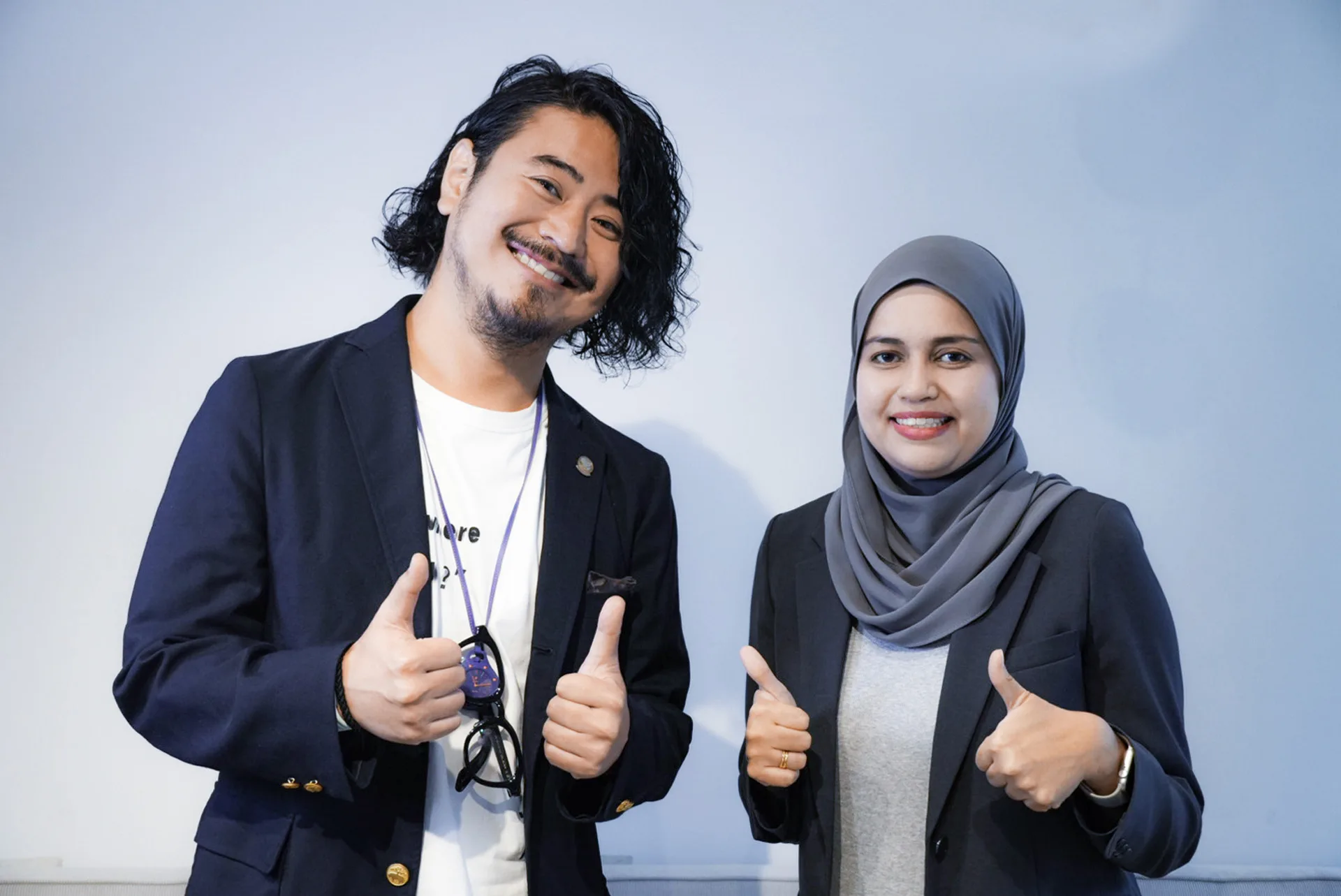
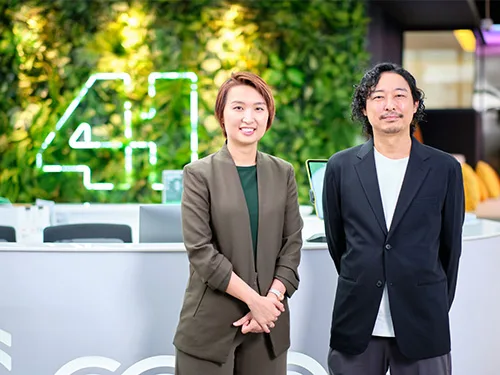
As part of the program, Nurhazwani binti Md Suhaimy—known as Wani—a food technologist in the Food Safety and Quality Division of the Ministry of Health Malaysia, joined FOURDIGIT’s Malaysia office and Tokyo headquarters for her attachment.
Even when accurate information and rules are communicated repeatedly, it is difficult to eliminate food poisoning and improper food-handling practices entirely. So what does it take to change behavior?
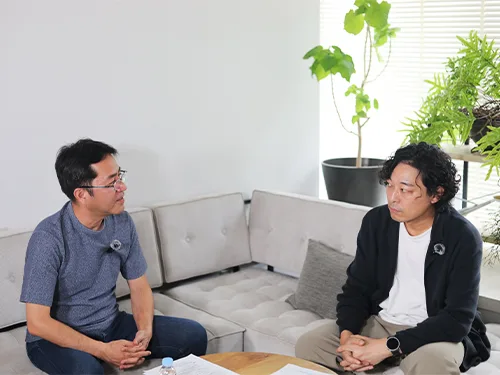
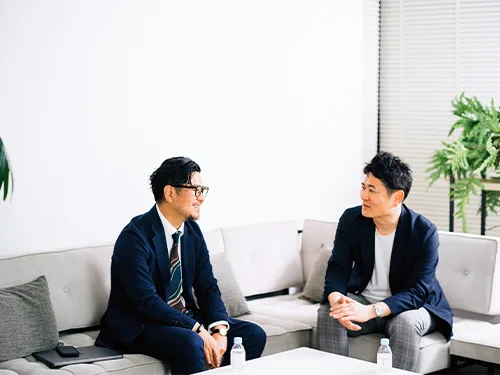
In this conversation, Wani and Takehiro Suenari, Director and COO of FOURDIGIT, begin with the challenges facing food safety on the ground and discuss user understanding, behavior change, communication, and how we should approach AI.
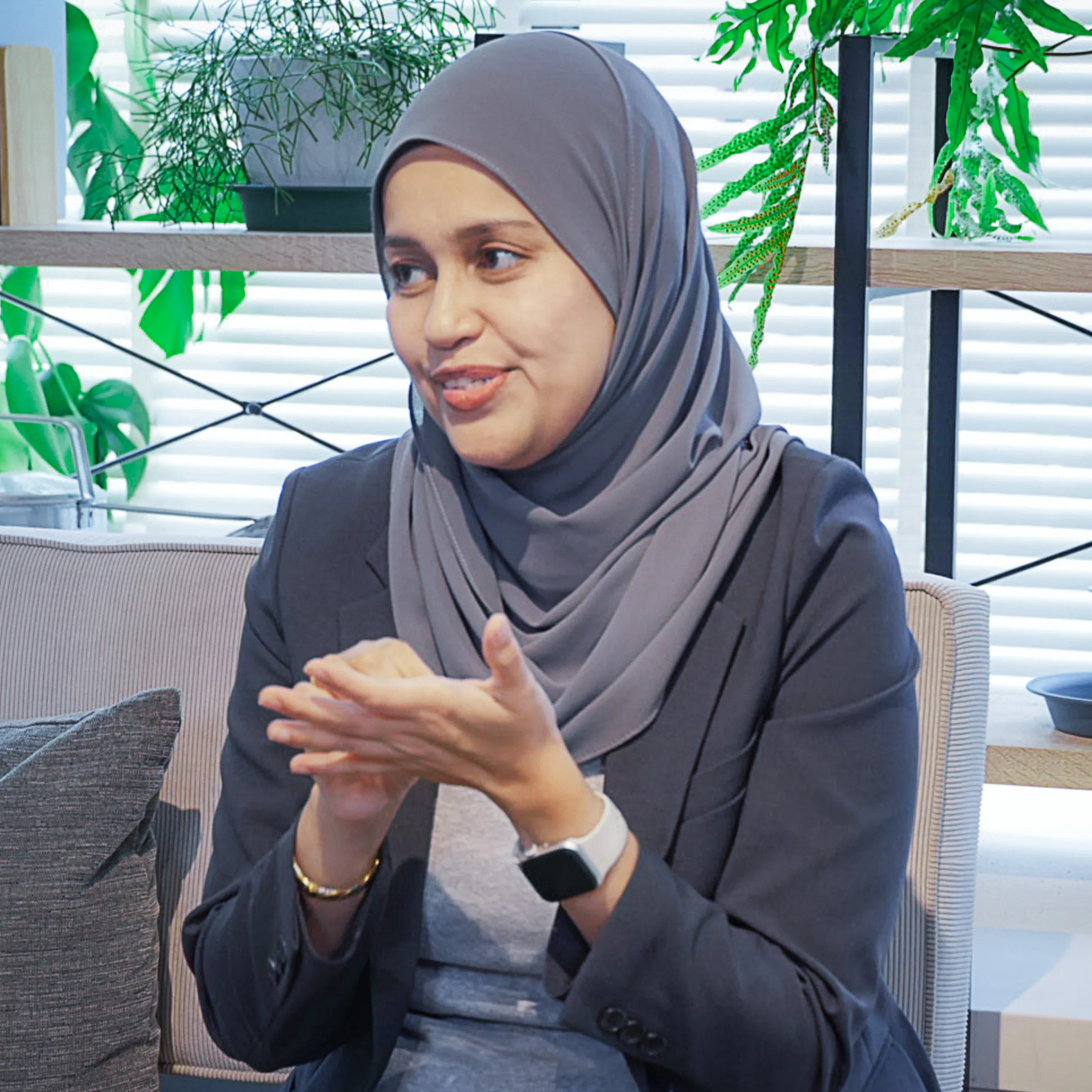
Nurhazwani binti Md Suhaimy
Kedah State Health Department, Ministry of Health Malaysia
Food Technologist / Chief Assistant Director
2026 Attachment Participant
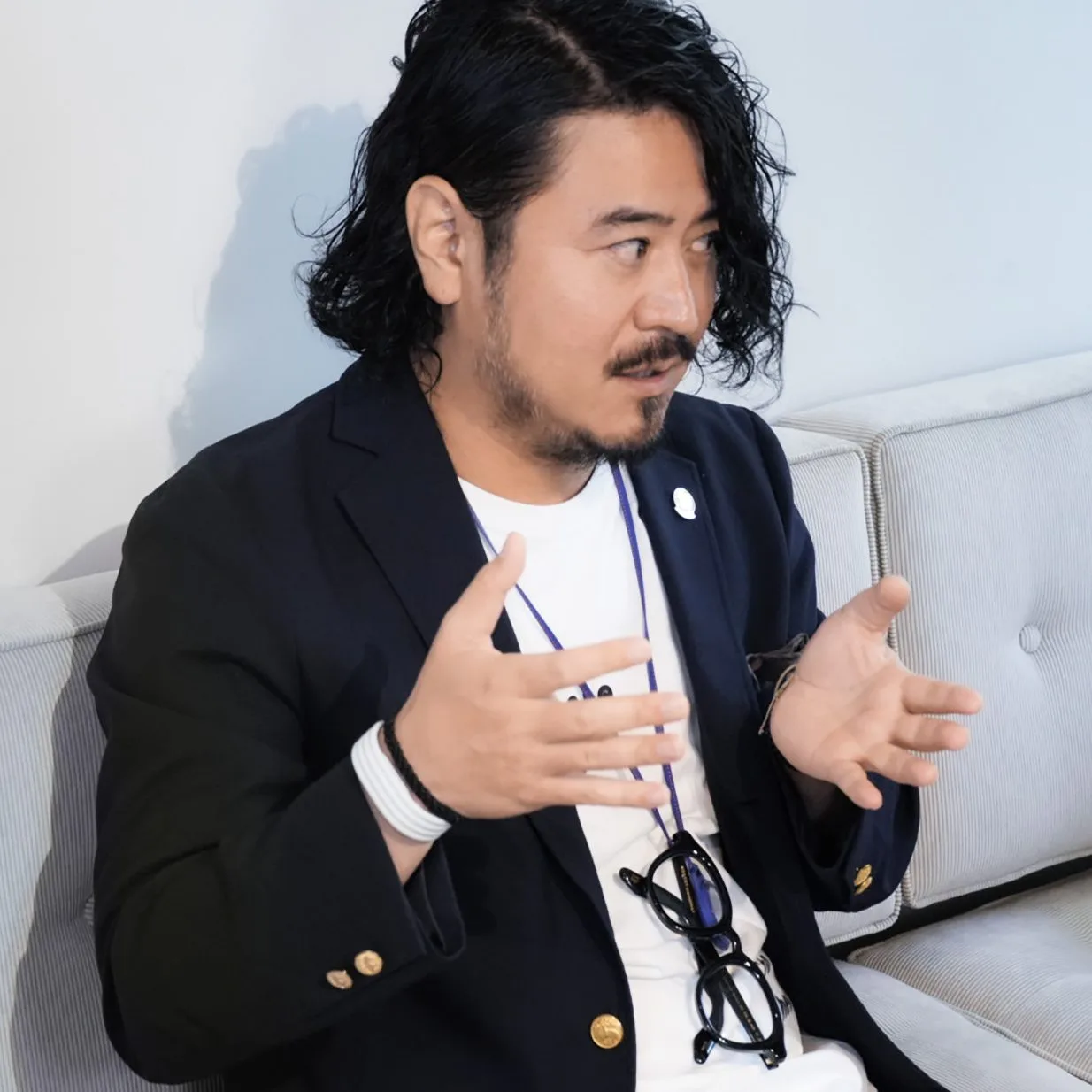
Takehiro Suenari
FOURDIGIT Inc.
From Obligation to Motivation: A Key Challenge in Food Safety
Suenari
I’m very glad that we’ve had the opportunity to spend these two weeks together. To begin, could you tell us about your current role?
Wani
My main responsibility is to ensure the safety of food prepared,served and distributed in Malaysia. My work covers a wide range of areas, from administering regulations and inspecting food factories to training food handlers who work in school canteens and restaurants, as well as public outreach and communication.
In Malaysia, everyone involved in preparing or selling food is required to attend the Food Handlers Training Program. After approximately three hours of training and an examination, participants receive a certificate. If they cannot present it during an inspection, they may be issued a summons or fine.
Suenari
So training is mandatory, and non-compliance carries penalties. That is a fairly strict system.
Wani
Yes. The challenge, however, is that the training is currently a one-time requirement.
Someone who completed it when they were young is not required to take it again when they reach their 50s or 60s. Food-handling technologies and hygiene procedures change over time, but their knowledge is not necessarily updated.
Cooking at home is also completely different from preparing meals for 500 or 1,000 students at a school. The facilities and hygiene procedures required are entirely different.
We post infographics on social media every day and visit workplaces in person, but we still cannot prevent every case of food poisoning. Senior management asks us, “Why couldn’t you prevent it?” No matter how much correct information we communicate, we continue to struggle with the fact that behavior on the ground does not change.
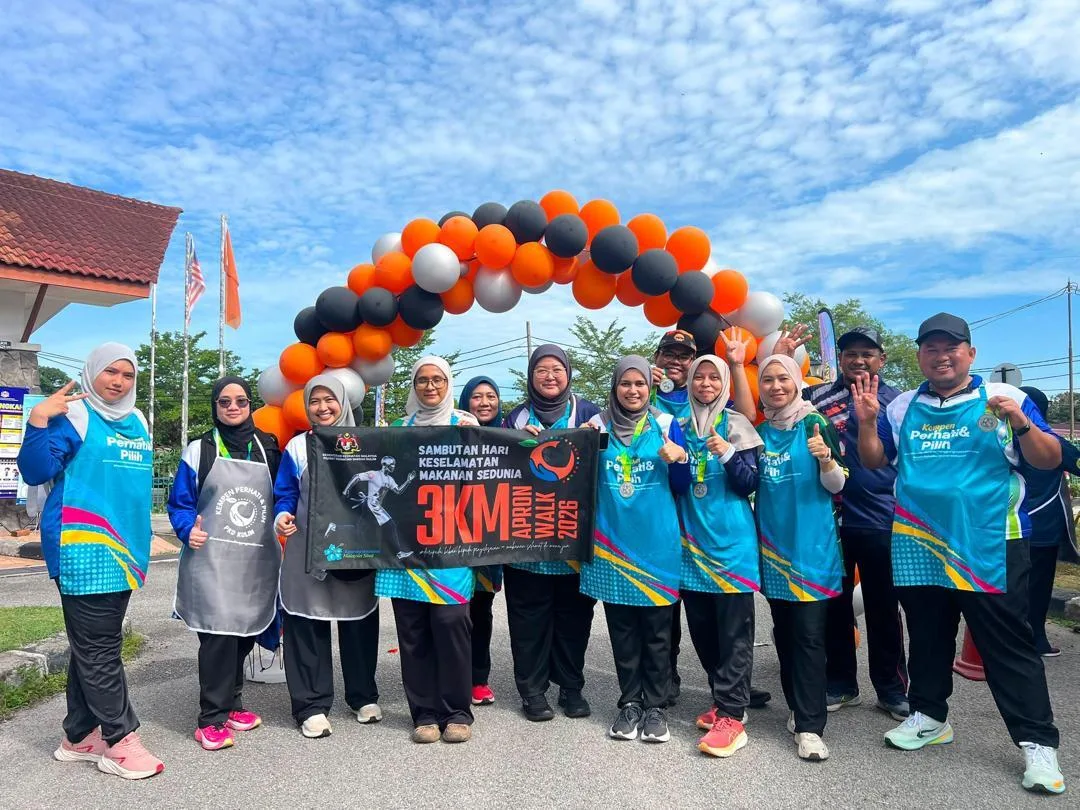
The Apron Walk, an awareness initiative promoting food safety and health.
Understanding Everyday Realities—and Designing Experiences That Make People Want to Act
Suenari
The challenge of delivering the right information without changing behavior is something we encounter very often in UI/UX and service design.
There are two broad ways to encourage people to follow rules. One is a “Have to” approach, in which a system requires people to keep their knowledge up to date. The other is a “Want to” approach, which works with their own motivation.
Take a ramen shop owner, for example. They likely want to grow sales, attract more customers, and make people happy by serving safe, delicious food. If they understand the rules as something that will help them realize that dream, learning takes on a different meaning.
Rather than relying only on obligation, it is important to create a reason for people themselves to want to act.
Wani
That is exactly the barrier we face. Behavior is the most difficult thing to change.
Suenari
Changing behavior begins with carefully observing and understanding the people working on the ground.
Think about the journey of a single tomato to the table. The farmer invests time and care in growing it, and the distributor stores and transports it at the right temperature to preserve its quality.
A temporary worker handling that tomato in a kitchen, however, may not approach the work from the same perspective as the farmer. They may be overwhelmed by the task in front of them and accidentally forget to wash their hands. If temporary staff change frequently, the importance of hygiene must be communicated each time.
Even when people are involved with the same food, they have different goals and different reasons for acting.
That is why we need to understand who is involved, what matters to them, and what difficulties they face. Once we understand and empathize with their situation, we can design communication and systems that are more likely to lead to behavior change.
Wani
So simply giving everyone the same method is not enough.
Suenari
Exactly. For a kitchen worker, passing a short hygiene course or test might lead to an allowance or a higher wage. That would give them a reason to learn voluntarily.
Rather than saying, “You have to follow this because it is the rule,” we can create a system that makes them feel, “If I do this, my work or life will improve, even a little.”
By entering the context of people’s work and daily lives and identifying what can trigger action for them, we can turn “Have to” into “Want to.” That, I believe, is one of the roles of design.
Tools and Formats Are Just Means: Staying User-Centered in the Age of AI
Wani
These days, I feel that more people find long-form text burdensome. If we offered more formats beyond infographics, such as video, would that help more people engage and learn?
Suenari
Even if you turn text into photos or video, people still will not engage if the content itself is dull.
What matters is not simply changing the format, but thinking about the experience through which the information is delivered.
Children may find history or mathematics textbooks difficult. But when the same subjects are presented as manga, with a story and characters they can relate to, they naturally keep reading.
Communication works the same way. Instead of one-way messages saying, “Please follow this rule,” information is more likely to lead to understanding and action when people find it engaging and personally relevant.
Wani
That is exactly what impressed me at FOURDIGIT. No one starts by saying, “Let’s use the latest technology.” You begin by looking at things from the user’s point of view.
So how do you approach rapidly evolving AI and technology?
Suenari
Yes. At the core of our work is the question, “What is genuinely good for the user?” We see AI as one of the tools that can help us achieve that.
Of course, AI is here to stay, and we need to keep learning. I have used AI, for example, to simulate aspects of urban design, such as subway lines in Tokyo.
But the starting point is not, “What can AI do?” First, we define the experience we want to create and the problem we need to solve. Then, if AI is useful for that purpose, we use it.
Wani
In Malaysia, whenever a problem comes up, management immediately says, “Use AI! Solve it with AI!” [Laughs]
Suenari
Exactly the same thing happens in Japan. [Laughs]
People often assume that introducing AI will solve every problem automatically, but AI is not magic. Without the right knowledge, data, and context, it cannot produce useful answers.
Humans have to define whose problem we are trying to solve and set the purpose and direction. AI is a powerful assistant, but using it should never become the goal.
Wani
So the important thing is not using AI for its own sake, but choosing the right means for the problem.
How do you discover and bring new tools other than AI into your projects?
Suenari
I have been doing this work for about 20 years, and I regularly follow leading designers and case studies from around the world.
When a project begins, I can think, “An approach or tool I encountered before might work for this challenge.” That comes from the knowledge I have built up over time.
There is no special method. It is about staying curious, continuing to learn, and building experience.
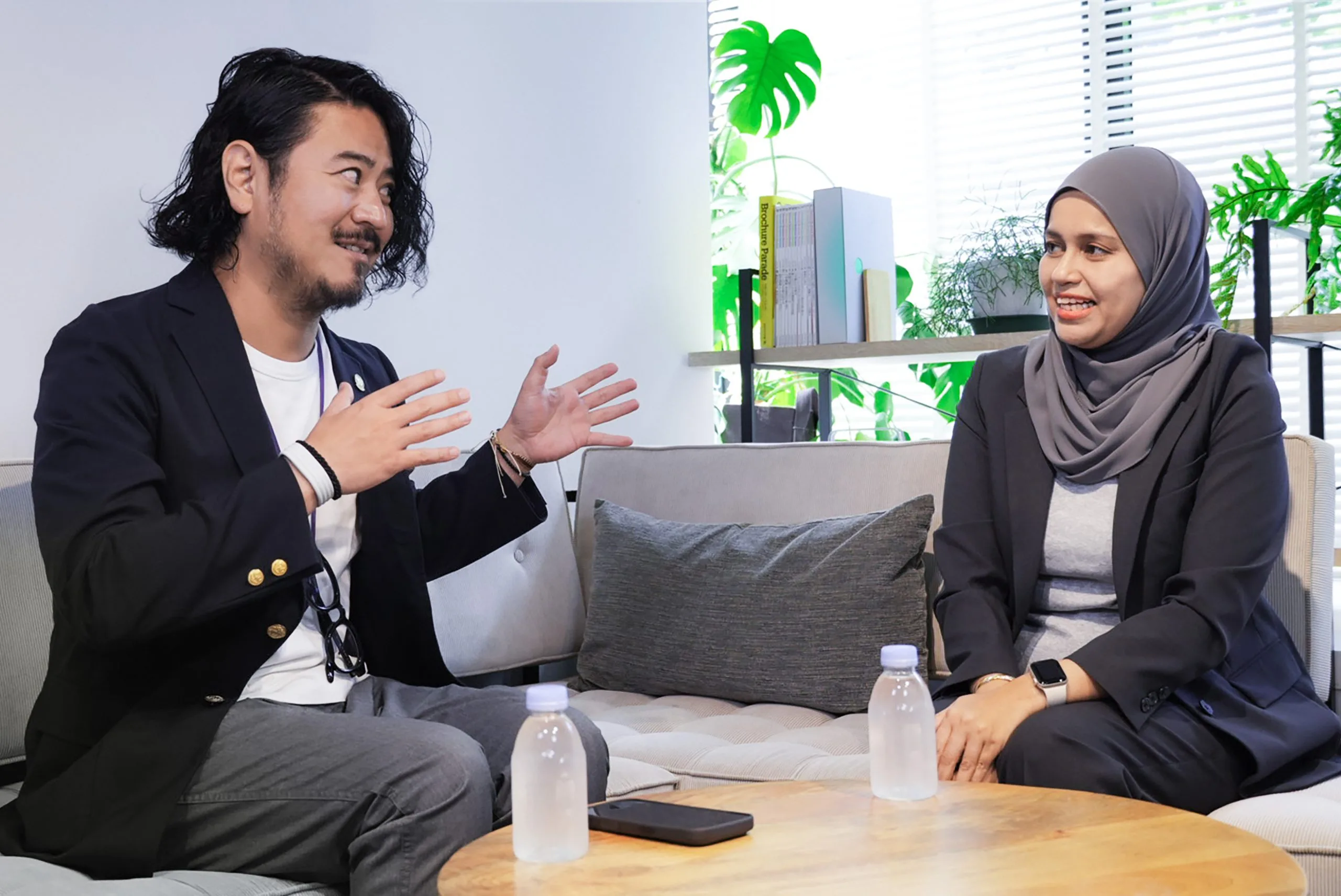
From What People Should Follow to Why They Struggle to Follow It
Wani
Has FOURDIGIT also worked with food manufacturers?
Suenari
Yes. We supported a Japanese company that produces instant pho noodles in Vietnam.
The company had grown successfully in the market, but as the market matured, competition increased and consumer preferences diversified.
We researched what local consumers were looking for and analyzed their behaviors and needs, helping the company develop new product platforms and concepts.
Wani
So even in the food sector, you begin by understanding consumers. Have you also worked with government agencies in Japan?
Suenari
Yes. We have also worked with public-sector organizations in Japan on a range of digital service projects.
Whether we are developing a food product or a public service, the principle remains the same: start by understanding the people who will use it.
Wani
This was my first time speaking directly with UX designers, but I found that the same way of thinking applies to food safety.
Until now, we have mainly focused on what rules people need to follow. From now on, I want to think more deeply about why they struggle to follow them and what makes action difficult.
I will take what I have learned over these two weeks back to Malaysia and share it with my colleagues. I hope we will have the opportunity to work together in the future.
Suenari
I would very much like that.
Design is especially valuable for challenges like food safety, which cannot be solved simply by communicating the correct information. I hope we can work together to create systems that enable people on the ground to act safely, naturally, and on their own initiative.